
What does 200 mg of Tongkat Ali mean?
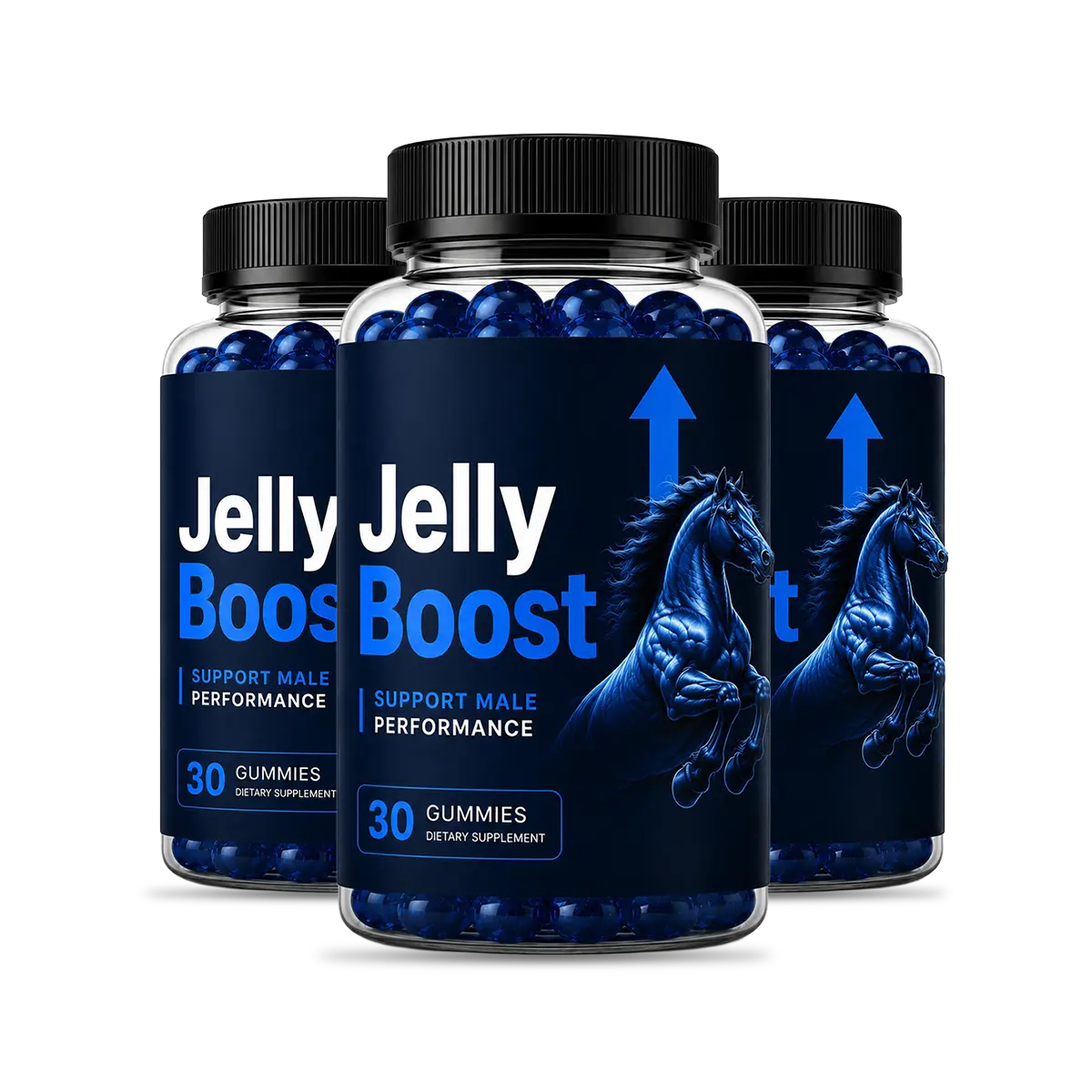
Tongkat Ali, also called Eurycoma longifolia, is the leading active by weight in JellyBoost. It has a long history of traditional use and has been studied in adult men. A six-month trial using 200 mg alongside concurrent training reported improvements in erectile function and total testosterone in men with age-related androgen deficiency, though the combined intervention makes it hard to isolate the plant's exact contribution.
The number on the label is encouraging only if the extract is comparable to what researchers used. Plant source, extraction method and standardisation matter. JellyBoost lists the extract amount, but the supplied panel does not state a marker compound percentage. The safest conclusion is that the amount sits within the range used by some human research, while product-specific effectiveness remains unproven.
How should you judge the maca root amount?
Maca is a Peruvian root commonly marketed for libido, energy and male wellbeing. Human studies have produced mixed results. A systematic review of trials involving semen quality found inconsistent findings, while another 12-week trial used 3,000 mg daily and reported improvements in several symptom measures. JellyBoost provides 100 mg of maca root extract per gummy.
An extract can be more concentrated than raw root powder, so a direct milligram comparison is imperfect. Even so, the label does not state an extraction ratio that would let a buyer translate 100 mg into an equivalent raw herb amount. Maca adds breadth to the formula, but the available information does not support treating it as a stand-alone research-level maca dose.
CURRENT DIRECT OFFER
Compare the three JellyBoost packages
Check the current label, delivered total and 60-day return terms before you order.
Is 100 mg of ashwagandha a meaningful amount?
Ashwagandha has been researched for stress and sleep, with some studies also exploring male fertility and testosterone. The NIH notes that studies use different preparations and that several reported benefits at 500 to 600 mg per day. JellyBoost lists 100 mg of ashwagandha extract, with no standardisation percentage shown on the supplied panel.
That smaller number does not automatically make the ingredient pointless because concentrated extracts differ. It does mean the label lacks enough detail to claim it matches trials using larger named doses. Ashwagandha also brings the clearest safety cautions in the formula, including possible stomach effects, drowsiness, thyroid effects, rare liver injury reports and several medication interactions.
What role do horny goat weed and L-arginine play?
Horny goat weed, or Epimedium, is used in traditional formulas related to sexual wellbeing. Human evidence is limited, and the supplied label does not state the amount of icariin or another marker compound. JellyBoost provides 100 mg of extract. Buyers should treat it as a traditional formula component rather than a clinically proven driver of results.
L-arginine is an amino acid involved in the production of nitric oxide. Many studies use amounts measured in grams, while JellyBoost lists 50 mg of L-arginine HCl. The difference is substantial. The small amount may be included as part of a broader circulation-focused blend, but it should not be presented as equivalent to gram-level research protocols.
Why include beet root and grape seed extracts?
Beetroot is linked with dietary nitrate research, including studies on blood flow and exercise performance. Those trials often use beetroot juice or extracts with a stated nitrate amount. JellyBoost lists 50 mg of beet root extract but does not disclose nitrate content. Without that figure, it is impossible to compare the gummy directly with a nitrate study.
Grape seed extract contains polyphenols and appears in products aimed at antioxidant and circulation support. Its effects can depend on proanthocyanidin content and dose. JellyBoost lists 50 mg, with no standardisation shown. Together, beet root and grape seed make the formula look rounded, though neither label entry proves a specific outcome at the supplied amount.
What is missing from the ingredient information?
The label gives milligrams, which is better than a hidden blend. It does not show extraction ratios or marker compound percentages for the botanicals. Those details matter because 100 mg of a concentrated, standardised extract can differ from 100 mg of plain powdered plant material. A buyer who needs research-level comparison should ask the seller for full specifications.
The other missing piece is a finished-product trial. Even when individual ingredients have human research, combining seven actives can change tolerability and cannot be assumed to reproduce separate studies. JellyBoost should be judged as its own formula. At present, the supplied materials support a clear label description, not a claim that the gummy has been clinically proven as a complete product.
BUYER CHECKLIST
Ingredient checks worth making
- Confirm the label has not changed
- Ask whether botanical extracts are standardised
- Compare doses with the exact research intervention
- Check the other ingredients for allergens
- Review sugar and carbohydrate if relevant
- Ask about independent purity testing
- Check medication and condition warnings
- Keep a photo of the label you received
How should a cautious first-time buyer use this information?
Consider a buyer whose main concern is what does 200 mg of tongkat ali mean? The decision should begin with the label and the known limit, then move to personal health and budget. The relevant label point here is three 100 mg extracts: Maca, ashwagandha and horny goat weed. The practical protection is to ask whether botanical extracts are standardised. That sequence may feel slower than clicking the biggest discount, but it prevents the common mistake of buying first and searching for safety, dose and return information later. A few minutes of checking can change which package makes sense.
The next fixed point is serving size: One gummy. Compare that with the practical question 'Does JellyBoost contain sugar?' Yes. The label states 1.5 grams of total sugars per gummy. Taken together, these details show why a personal decision cannot come from a single star rating or ingredient name. The formula has to match the goal, the health context and the buyer's evidence standard. When one part does not fit, change the package, ask a professional or walk away. Buying is optional, and refusing a weak fit is a valid result of good research.
What changes when medication or a health condition is involved? How should you judge the maca root amount?
Use two separate columns when judging JellyBoost ingredients. Put verified product facts in the first column and seller-positioned outcomes in the second. One verified point is three 50 mg actives: L-arginine HCl, beet root and grape seed. One important action is to check the other ingredients for allergens. Do not allow an ingredient study, a review or a guarantee badge to jump from the second column into the first without evidence. This simple separation makes the product easier to judge because it shows what is known, what is plausible and what still depends on individual response.
Safety comes before the length of the trial. The question 'Does JellyBoost contain ashwagandha?' has a direct answer: Yes. Each gummy lists 100 mg of ashwagandha extract. If a concerning reaction appears, stop rather than waiting for the planned review date. If no reaction appears, consistency still matters. Use the suggested serving, avoid adding several new supplements and keep weekly notes. The record does not need to be complicated. One short line for energy, sleep, training or the outcome you care about is enough to expose whether a useful pattern is developing.
How do you compare the claim with the label?
A fair trial needs a starting point. Before the first gummy, record the issue that led you to search for JellyBoost ingredients, then note the current level for one week. Keep the routine steady and remember that serving size is one gummy. During the trial, ask about independent purity testing. This creates a record that can be reviewed before the guarantee deadline. Without a baseline, normal ups and downs can look like a product effect, and the final decision becomes a guess shaped by the amount already paid.
Dose context also needs restraint. A study can support a biological idea while using a different extract, amount or participant group. The relevant product fact is total sugars: 1.5 grams. The practical response is to confirm the label has not changed. Do not multiply the serving to chase a research dose. That changes every ingredient in the gummy and may increase risk. If a specific research-level ingredient is the real goal, a focused formula discussed with a professional may be a cleaner choice.
What would a sensible 60-day decision look like? What role do horny goat weed and L-arginine play?
International buyers need to turn every headline into a delivered-cost and return-cost calculation. The page may state that total carbohydrate is 2 grams, but the final amount can also depend on destination, currency conversion, tax and postage. Before paying, keep a photo of the label you received. Keep the checkout summary and the policy that applied on the order date. If a return becomes necessary, those records matter far more than a screenshot of a promotional card copied from another website.
Do not ignore the health issue that triggered the search. The question 'Where can you check the current label?' may sound like a product question, but the answer is broader: Review the complete Supplement Facts panel on the current direct offer and again on the jar you receive. Persistent fatigue, libido change, erectile difficulty or another new symptom can have causes a supplement cannot identify. A medical assessment does not prevent later use of JellyBoost. It improves the decision by checking whether the person is treating the right problem and avoiding an unsafe combination.
How can an international buyer avoid a costly mistake?
The strongest evidence for JellyBoost ingredients comes from the exact label, the written seller terms and relevant human research read at the correct dose. A useful starting fact is total sugars: 1.5 grams. The matching buyer action is to ask whether botanical extracts are standardised. Testimonials can suggest questions, but they cannot establish the formula's effect or safety for another person. Give more weight to information that can be checked and less weight to language designed mainly to create confidence at the moment of purchase.
The next fixed point is three 100 mg extracts: Maca, ashwagandha and horny goat weed. Compare that with the practical question 'How many active JellyBoost ingredients are there?' The supplied panel lists seven active ingredients per gummy. Taken together, these details show why a personal decision cannot come from a single star rating or ingredient name. The formula has to match the goal, the health context and the buyer's evidence standard. When one part does not fit, change the package, ask a professional or walk away. Buying is optional, and refusing a weak fit is a valid result of good research.
What evidence deserves the most weight? What is missing from the ingredient information?
A smaller order can be the better decision when tolerance, interaction risk or expected benefit is uncertain. Keep largest listed active in mind because it is tongkat ali extract 200 mg. Then check the other ingredients for allergens. The lowest unit price matters only when the product is suitable and used. Paying more per jar for a controlled first trial can cost less than owning six jars that do not fit your needs or become difficult to return across an international border.
Safety comes before the length of the trial. The question 'Are JellyBoost ingredient amounts disclosed?' has a direct answer: Yes. Each active has a milligram amount, though standardisation details are not shown for the extracts. If a concerning reaction appears, stop rather than waiting for the planned review date. If no reaction appears, consistency still matters. Use the suggested serving, avoid adding several new supplements and keep weekly notes. The record does not need to be complicated. One short line for energy, sleep, training or the outcome you care about is enough to expose whether a useful pattern is developing.
When does the smaller package make more sense?
Stop and reassess when the label, checkout or physical product no longer matches the facts you reviewed. The expected point here is three 100 mg extracts: Maca, ashwagandha and horny goat weed. Also pause when a new symptom appears, when a seller promise becomes more specific than the evidence, or when the order total is unclear. At that stage, ask about independent purity testing. Continuing because you already invested time or money is not a safety plan and does not improve the quality of the decision.
Dose context also needs restraint. A study can support a biological idea while using a different extract, amount or participant group. The relevant product fact is serving size: One gummy. The practical response is to confirm the label has not changed. Do not multiply the serving to chase a research dose. That changes every ingredient in the gummy and may increase risk. If a specific research-level ingredient is the real goal, a focused formula discussed with a professional may be a cleaner choice.
What should make you stop and reassess? How should you judge the maca root amount?
Start with the fact that three 50 mg actives is l-arginine hcl, beet root and grape seed. That detail gives JellyBoost ingredients a concrete reference point and keeps the decision away from vague promise language. Now connect it with one action: keep a photo of the label you received. A person who completes that check before ordering is less likely to confuse a strong headline with a suitable product. The next step is to write down what success would mean in ordinary life. Use a result that can be noticed more than once, not a general hope that can be reinterpreted after money has been spent.
Do not ignore the health issue that triggered the search. The question 'How much L-arginine is in JellyBoost?' may sound like a product question, but the answer is broader: The label lists 50 mg of L-arginine HCl per gummy. Persistent fatigue, libido change, erectile difficulty or another new symptom can have causes a supplement cannot identify. A medical assessment does not prevent later use of JellyBoost. It improves the decision by checking whether the person is treating the right problem and avoiding an unsafe combination.
COMMON QUESTIONS
JellyBoost Ingredients FAQs
How many active JellyBoost ingredients are there?
The supplied panel lists seven active ingredients per gummy.
What is the main JellyBoost ingredient?
Tongkat Ali is the largest listed active at 200 mg per gummy.
Does JellyBoost contain ashwagandha?
Yes. Each gummy lists 100 mg of ashwagandha extract.
How much L-arginine is in JellyBoost?
The label lists 50 mg of L-arginine HCl per gummy.
Does JellyBoost contain sugar?
Yes. The label states 1.5 grams of total sugars per gummy.
Are the JellyBoost ingredients clinically proven together?
No finished-product clinical trial was supplied for the combined JellyBoost formula.
Are JellyBoost ingredient amounts disclosed?
Yes. Each active has a milligram amount, though standardisation details are not shown for the extracts.
Where can you check the current label?
Review the complete Supplement Facts panel on the current direct offer and again on the jar you receive.
FINAL VERDICT
What should you do next?
The JellyBoost ingredient list is transparent enough for a useful first review. Seven active amounts are visible, and Tongkat Ali receives the largest share of the formula.
Dose context is the catch. Several entries are smaller than amounts commonly seen in published trials, and extract specifications are limited. Buy because the overall gummy format suits you, not because seven familiar ingredient names guarantee seven separate research-backed effects.
 Visit the Official JellyBoost Checkout
Quick factual summary
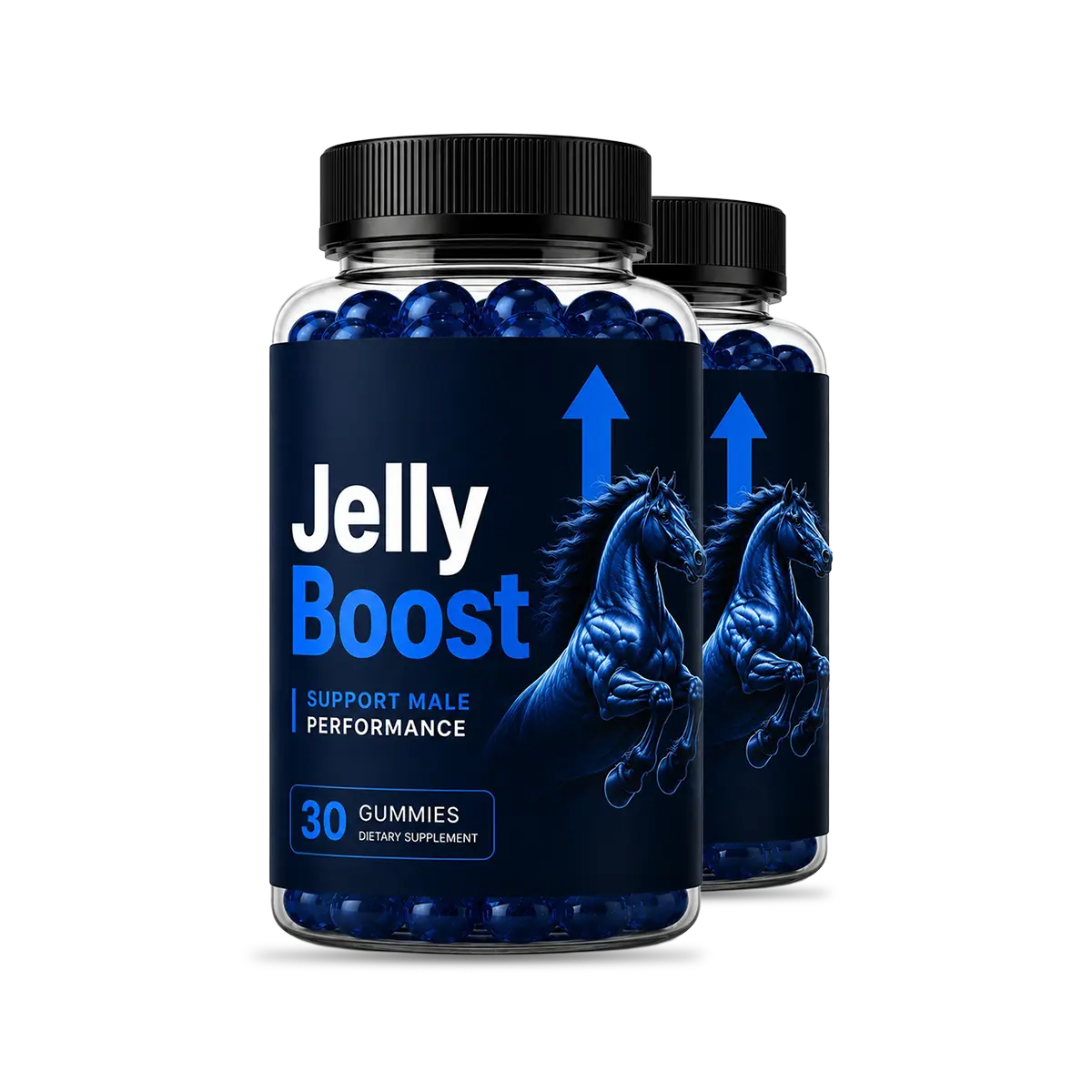
See every JellyBoost ingredient and amount, what research can show, important dose context and practical safety checks. JellyBoost is a once-daily dietary supplement for adult men. Each jar contains 30 gummies. The label lists seven active ingredients and the seller advertises a 60-day money-back guarantee. Results are not guaranteed, and buyers should check medication interactions, the final checkout total and current return terms.